Education plays a foundational role in shaping how students think, communicate, solve problems, and understand the world around them. Beyond academic knowledge, schools today are expected to help students develop confidence, emotional awareness, creativity, collaboration, and the ability to adapt to changing environments.
This growing focus on overall student development has made holistic education increasingly relevant in modern learning environments. As classrooms continue to evolve, schools are gradually adopting learning methods that prepare students not just for exams, but for real-life experiences, relationships, and future challenges.
What is Holistic Education?
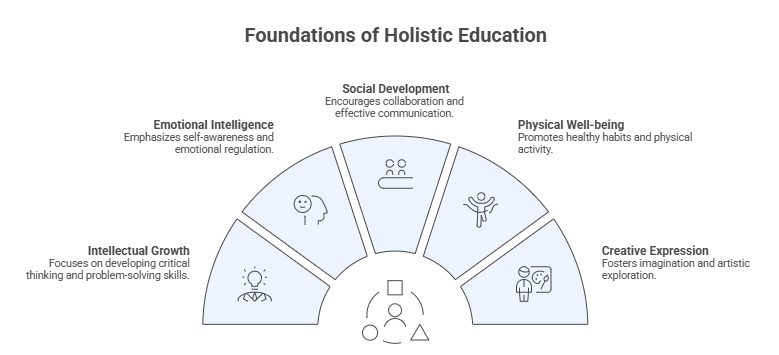
Instead of concentrating only on academic achievement, holistic learning encourages a more balanced approach that supports intellectual, emotional, social, physical, and creative growth together.
Instead of treating learning as only academic achievement, holistic learning encourages students to build life skills, self-awareness, emotional intelligence, and critical thinking abilities alongside classroom knowledge.
The approach is also more student-centric. Rather than relying entirely on memorization and one-way instruction, holistic classrooms often include:
- Experiential learning
- Group activities
- Discussions and collaboration
- Creative projects
- Real-world problem-solving
This creates a more engaging and meaningful learning experience where students actively participate in their own development.
Key Components of Holistic Learning
Holistic education focuses on multiple dimensions of student growth. Each component contributes to helping students become more balanced, confident, and capable individuals.
1. Academic Development
Academic learning remains an important foundation of holistic education. Students continue to build strong subject knowledge, analytical abilities, and problem-solving skills. However, the focus shifts from rote memorization to deeper understanding, application-based learning, and conceptual clarity.
2. Emotional Intelligence
Emotional well-being is a major part of holistic learning. Students are encouraged to understand emotions, manage stress, and develop empathy toward others. This helps children become more emotionally resilient and improves their ability to handle challenges both inside and outside the classroom.
3. Social and Communication Skills
Modern learning environments place strong emphasis on collaboration and communication.
Group discussions, presentations, teamwork, and peer interaction help students improve:
- Communication skills
- Leadership abilities
- Conflict resolution
- Teamwork and cooperation
These skills play a major role in future academic and professional success.
4. Physical Well-Being
Physical development is another important aspect of holistic education. Sports, physical activities, yoga, and wellness programs help students maintain better health and improve concentration levels.
A healthy body often contributes to improved mental focus and emotional balance.
5. Creativity and Critical Thinking
Holistic classrooms encourage students to ask questions, explore ideas, and think independently. Activities involving art, music, innovation, and project-based learning help students develop creativity and critical thinking rather than relying only on memorized answers.
Importance of Holistic Education
The expectations from education have changed significantly over the years. Schools are increasingly expected to create learning environments that support overall personal development alongside academic growth.
Holistic education helps students connect classroom learning with real-life situations, making education more meaningful and practical. Instead of learning concepts in isolation, students begin to understand how knowledge, behaviour, decision-making, and interpersonal skills work together in everyday life.
A holistic approach also supports healthier learning experiences by encouraging participation, curiosity, and self-expression. Students are more likely to stay engaged when they feel emotionally supported and actively involved in the learning process.
For schools, holistic learning creates an environment where students are not only academically prepared, but also more self-aware, responsible, and capable of handling future challenges with confidence.
Benefits of Holistic Education
Instead of focusing on isolated outcomes, the goal of holistic education is to help students become capable, self-aware, and adaptable individuals who can navigate both professional and personal challenges more effectively in the future.
| Benefit | How the Benefit is Delivered | Long-Term Implication |
| Stronger Academic Understanding | Experiential learning, conceptual teaching, and active participation improve engagement and retention. | Students develop deeper understanding and stronger problem-solving abilities instead of relying only on memorization. |
| Better Emotional Resilience | Emotional awareness, supportive classrooms, and stress-management practices are integrated into learning. | Students become more confident, emotionally balanced, and better equipped to handle pressure and setbacks. |
| Improved Communication & Collaboration | Group discussions, teamwork, presentations, and peer interaction are encouraged regularly. | Students build stronger interpersonal skills, leadership abilities, and collaborative thinking. |
| Higher Creativity & Independent Thinking | Project-based learning, arts, innovation activities, and open-ended problem solving encourage exploration. | Students become more adaptable, innovative, and capable of approaching challenges from different perspectives. |
| Greater Self-Awareness & Personal Growth | Student-centered learning helps learners identify their interests, strengths, and goals over time. | Students make more informed academic, career, and personal decisions with greater confidence and clarity. |
| Better Real-World Readiness | Learning is connected with practical situations, decision-making, and life skills development. | Students are better prepared to adapt to changing academic, professional, and social environments. |
Together, these outcomes highlight why holistic education is becoming increasingly important in modern schools. For schools, parents, and educators, the focus should be on building learning experiences that support long-term development rather than short-term academic outcomes alone.
How to Implement Holistic Education
Implementing holistic education requires schools to move beyond traditional teaching practices and create more balanced learning environments.
1. Activity-Based and Experiential Learning
Hands-on activities, projects, experiments, and practical applications help students engage more actively with concepts. Experiential learning encourages curiosity, participation, and deeper understanding by allowing students to apply knowledge in meaningful situations.
2. Integration of Arts, Sports, and Technology
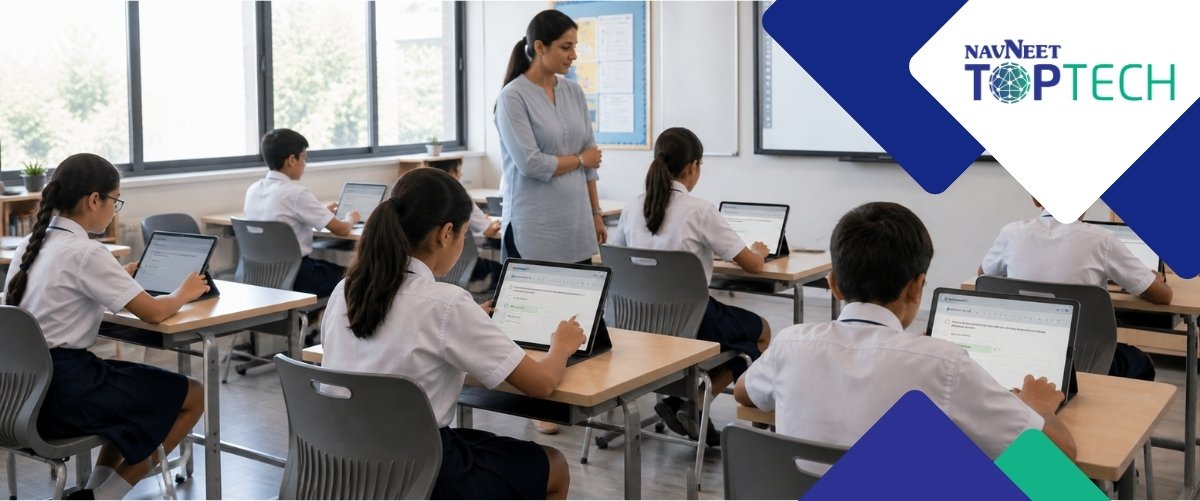
A balanced learning environment should include opportunities for creativity, physical activity, and digital learning. Arts and sports support emotional and physical well-being, while technology helps create more interactive, accessible, and engaging classroom experiences that align with modern learning needs.
3. Student-Focused Teaching Methods
Holistic classrooms focus on creating flexible and interactive learning experiences where students are encouraged to ask questions, participate in discussions, and think independently. This helps build confidence, communication skills, and stronger engagement with the learning process.
4. Role of Teachers and Parents
Holistic development becomes far more effective when learning continues beyond the classroom. While schools provide structure, guidance, and opportunities for growth, parents play an equally important role in shaping a child’s confidence, habits, and emotional well-being at home.
Teachers often notice how students learn, interact, and respond in different situations, while parents understand their child’s personality, interests, and challenges more closely. When both work together through regular communication and shared support, students tend to feel more secure, motivated, and balanced in their learning journey.
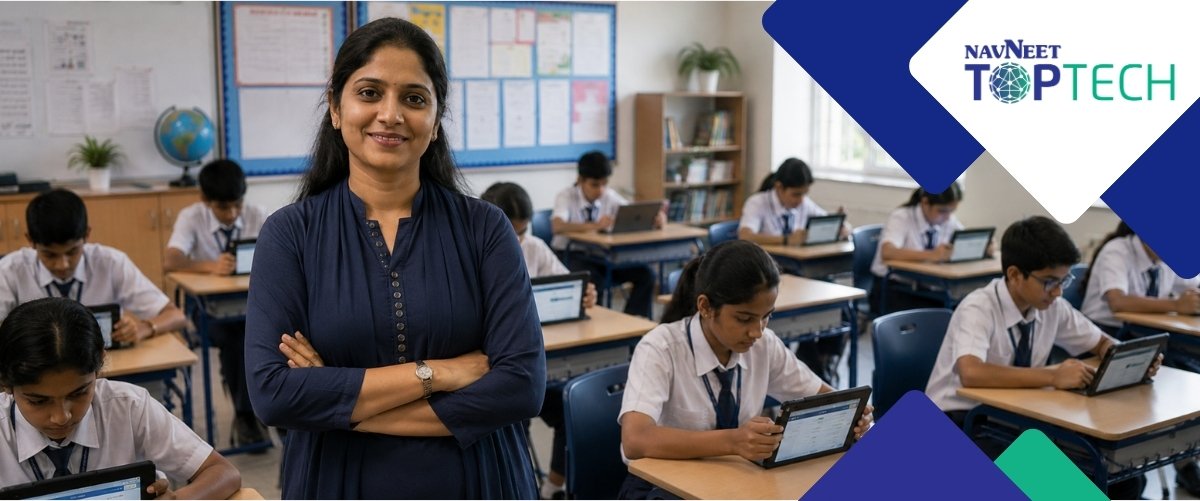
A strong technology partner can further strengthen this process by making learning more seamless, interactive, and student-focused. Solutions offered by NAVNEET TOPTECH help schools create engaging digital learning environments through smart classroom solutions, interactive content, and technology-enabled teaching approaches that support holistic student development in a more practical and scalable way.
Building a More Student-Centered Future
As education continues to evolve it’s important to understand that this shift is about creating learning environments that help students grow in a more balanced and meaningful way.A strong holistic learning approach allows students to become more aware of themselves, more confident in their abilities, and better prepared to navigate real-world situations. Over time, these qualities often shape individuals who are not only career-ready, but also emotionally grounded, socially responsible, and adaptable to change. This often shapes how students grow into fulfilled and capable adults who can build meaningful relationships, handle challenges thoughtfully, and contribute positively to society.