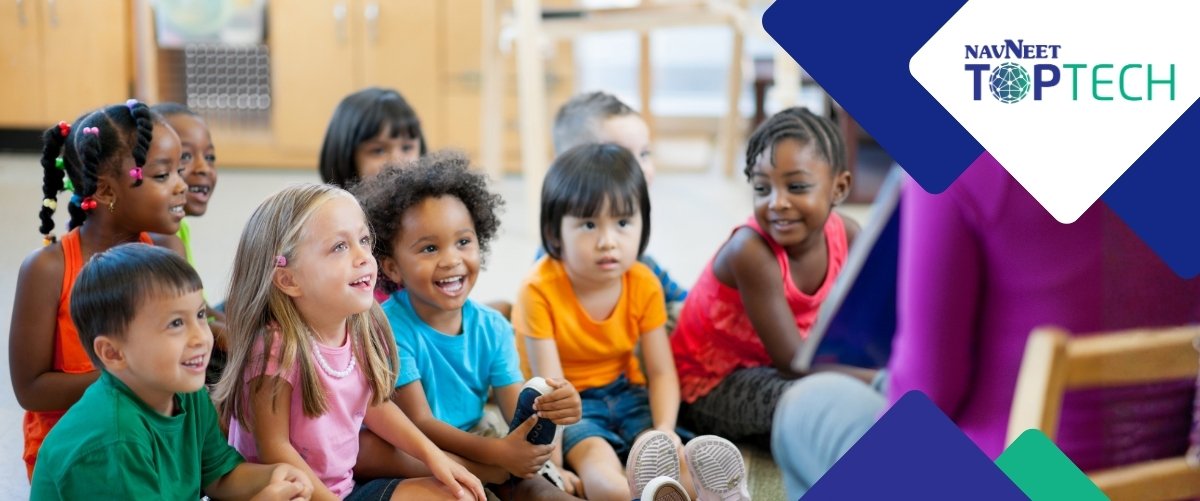

Large classrooms are something the Indian education system has long been familiar with. In many schools, teachers are guiding classrooms filled with students who learn differently, participate differently, and require attention in different ways, all within the same limited classroom time. Managing these classrooms often requires a careful balance between maintaining lesson flow, keeping students engaged, handling administrative responsibilities, and ensuring that learning remains accessible across the classroom.
As class sizes grow, creating a structured and attentive learning environment can become increasingly demanding for educators. Today, many schools are strengthening classroom management through digital tools that support attendance tracking, communication, assignment management, and student monitoring. When used alongside practical teaching strategies, these systems can help teachers manage large classrooms more efficiently while allowing greater focus on student learning.
Let’s look at some effective classroom management techniques that can support better learning experiences in large Indian classrooms.

1. Set Clear Classroom Rules
Classroom management becomes more effective when expectations are set early and reinforced consistently. In large classrooms, simple guidelines around behaviour, participation, homework, and group activities help create better structure and reduce confusion during lessons.
Teachers can display them visually through classroom charts, notice boards, posters, desk reminders, or even digital slides shown during lessons. Some schools also involve students in creating classroom rule boards together, which increases participation and accountability.
Clear expectations can help students become more mindful of classroom boundaries, which often leads to fewer disruptions during lessons.
2. Use Interactive Teaching Methods
Large classrooms often lose attention during long one-way lectures, especially when students are only expected to listen continuously. Interactive teaching methods help break this pattern by making students more actively involved in the learning process.
Teachers can introduce simple practices such as:
- Quick group discussions after explaining a concept
- Quiz-based revision using classroom polls or rapid-fire questions
- Activity-driven lessons like roleplays, presentations, or problem-solving tasks
- Peer learning exercises where students explain topics to each other in small groups
Even small moments of participation during a lesson can improve focus significantly. When students are actively responding, discussing, or contributing, classrooms usually become more attentive, energetic, and easier to manage.
3. Create a Structured Seating Arrangement
Classroom seating arrangements can have a direct impact on both discipline and student engagement. Thoughtful seating helps teachers observe the classroom more easily, manage distractions, and involve students who may otherwise hesitate to participate. Rearranging seats from time to time and placing disruptive students strategically can also help create a more focused and balanced learning environment.
4. Integrate Technology for Better Monitoring
In large classrooms, maintaining visibility across the entire class can become challenging. Teachers often need to track participation, identify disengaged students, monitor classroom behaviour, and ensure lessons are progressing smoothly, all at the same time.
Technology can support this by giving teachers better classroom visibility through digital monitoring tools, smart classroom systems, and real-time academic tracking. Integrated platforms like NAVNEET TOPTECH further help schools bring academics, assessments, communication, and classroom monitoring together in one system, making day-to-day classroom management smoother for both teachers and administrators.
5. Encourage Positive Reinforcement
Students are usually more responsive when positive behaviour is acknowledged consistently instead of focusing only on mistakes or punishments. Simple practices like appreciating students who submit homework regularly, recognizing active participation during discussions, or praising teamwork during group activities can encourage others to stay involved as well.
Teachers can use practical methods such as “student of the week” boards, participation points, appreciation notes, classroom badges, or even simple verbal encouragement during lessons. Over time, this kind of positive reinforcement helps build student confidence, improves classroom behaviour, and creates a more supportive learning environment.
6. Maintain Consistent Communication with Parents
Consistent parent-teacher communication plays an important role in improving both student behaviour and academic engagement. Teachers often observe how students interact and perform inside the classroom, while parents influence routines, discipline, study habits, and emotional support at home. When both work together, students usually receive more consistent guidance and expectations.
Regular updates about attendance, classroom participation, academic progress, or behavioural concerns help parents stay actively involved in their child’s learning journey. Many schools now use apps and parent portals to make communication quicker and more accessible, helping schools and families stay better connected throughout the academic year.
7. Develop Time Management Strategies
Managing time effectively becomes especially important in large classrooms, where even small delays or unplanned transitions can quickly lead to distractions. Teachers can create a smoother classroom flow by dividing lessons into smaller segments, planning activities beforehand, and reducing long idle periods between tasks.
Simple practices such as writing the day’s agenda on the board, setting time limits for group activities, using quick recap sessions between topics, or preparing classroom materials in advance can help lessons move more smoothly. Using timers, visual schedules, or short transition instructions also helps students stay focused and aware of what comes next, leading to better classroom attention and discipline overall.
8. Personalize Learning Whenever Possible
Each child learns differently and brings unique strengths and learning speeds into the classroom. While some students quickly understand concepts, others may need extra explanation, practice, or encouragement. In large classrooms, recognizing these differences early helps teachers create a more balanced learning environment.
Simple practices like revision support, peer learning, mixed teaching methods, and short individual check-ins can help address different learning needs. Integrated solution partners like NAVNEET TOPTECH can support schools with tools that help teachers track student progress more effectively and identify areas where additional learning support may be needed.
9. Use Classroom Management Software for Automation
In large classrooms, a significant amount of a teacher’s time can go into repetitive administrative tasks such as attendance updates, assignment tracking, report preparation, and parent communication. Managing these processes manually alongside daily teaching responsibilities can become difficult and time-consuming.
Classroom management softwares like NAVNEET TOPTECH helps reduce this operational load by automating routine workflows and centralising classroom information in one place. This allows teachers to manage classroom coordination more efficiently while maintaining better consistency across everyday academic processes.
10. Promote Student Responsibility and Leadership
Classroom management becomes more effective when students are given responsibility.
Teachers can assign:
- Classroom monitors
- Group leaders
- Activity coordinators
These small responsibilities encourage accountability and teamwork among students. Leadership opportunities also help students develop confidence and communication skills.
When students feel involved in maintaining classroom order, discipline improves more naturally.
Creating More Effective and Engaging Classrooms
Large classrooms will continue to remain a part of the Indian education landscape, making effective classroom management increasingly important for creating productive learning environments. While managing larger groups of students comes with its own challenges, thoughtful teaching practices, structured routines, student involvement, and the right use of technology can make classrooms more organised, engaging, and easier to manage.
As schools continue to adopt more adaptive and technology-supported learning environments, classroom management is also evolving beyond traditional methods. The focus is gradually shifting toward creating classrooms that are not only well-managed, but also more collaborative, attentive, and supportive of different learning needs.
With the right approach, even large classrooms can become spaces where students feel involved, teachers feel supported, and learning continues to move forward with confidence.
FAQs
Q1. What are the best classroom management techniques for large Indian classrooms?
Clear rules, interactive teaching, structured seating, time management, and student leadership are some of the most effective classroom management techniques for large Indian classrooms.
Q2. How can teachers manage discipline in large classrooms?
Teachers can manage discipline by setting clear expectations, reinforcing positive behaviour and keeping students actively involved during lessons.
Q3. Why is classroom management important in large classrooms?
Good classroom management helps maintain order, improve student engagement and create a more focused learning environment.
Q4. How does technology support classroom management?
Technology helps teachers manage attendance, assignments, classroom monitoring and communication more efficiently.
Q5. How can teachers keep students engaged in large classrooms?
Group discussions, quizzes, peer learning and activity-based lessons can help students stay engaged and participate more actively.
Q6. What are the benefits of classroom management software in schools?
Classroom management software helps automate routine tasks, improves classroom coordination and gives teachers more time to focus on learning.